


Martin Delaney Collaboratories
Progress through
collaboration.
Finding an HIV cure takes different kinds of expertise, shared resources, and strong connections between researchers and communities.
REACH is part of
a wider effort.
The Research Enterprise to Advance a Cure for HIV is part of the Martin Delaney Collaboratories, a National Institutes of Health (NIH) research network dedicated to an HIV cure. We connect laboratory discoveries with clinical studies and community insight.
Supported by four NIH institutes through award UM1AI164565, administered by the National Institute of Allergy and Infectious Diseases (NIAID), REACH brings researchers and partners together to pursue lasting HIV control without daily medication and ways to eliminate the infected cells that survive treatment.
Explore the NIH project record ↗A collaborative enterprise
Many perspectives.
A shared path forward.
REACH is part of the Martin Delaney Collaboratories, a National Institutes of Health (NIH) research network dedicated to an HIV cure. We connect laboratory scientists, clinicians, and community partners.
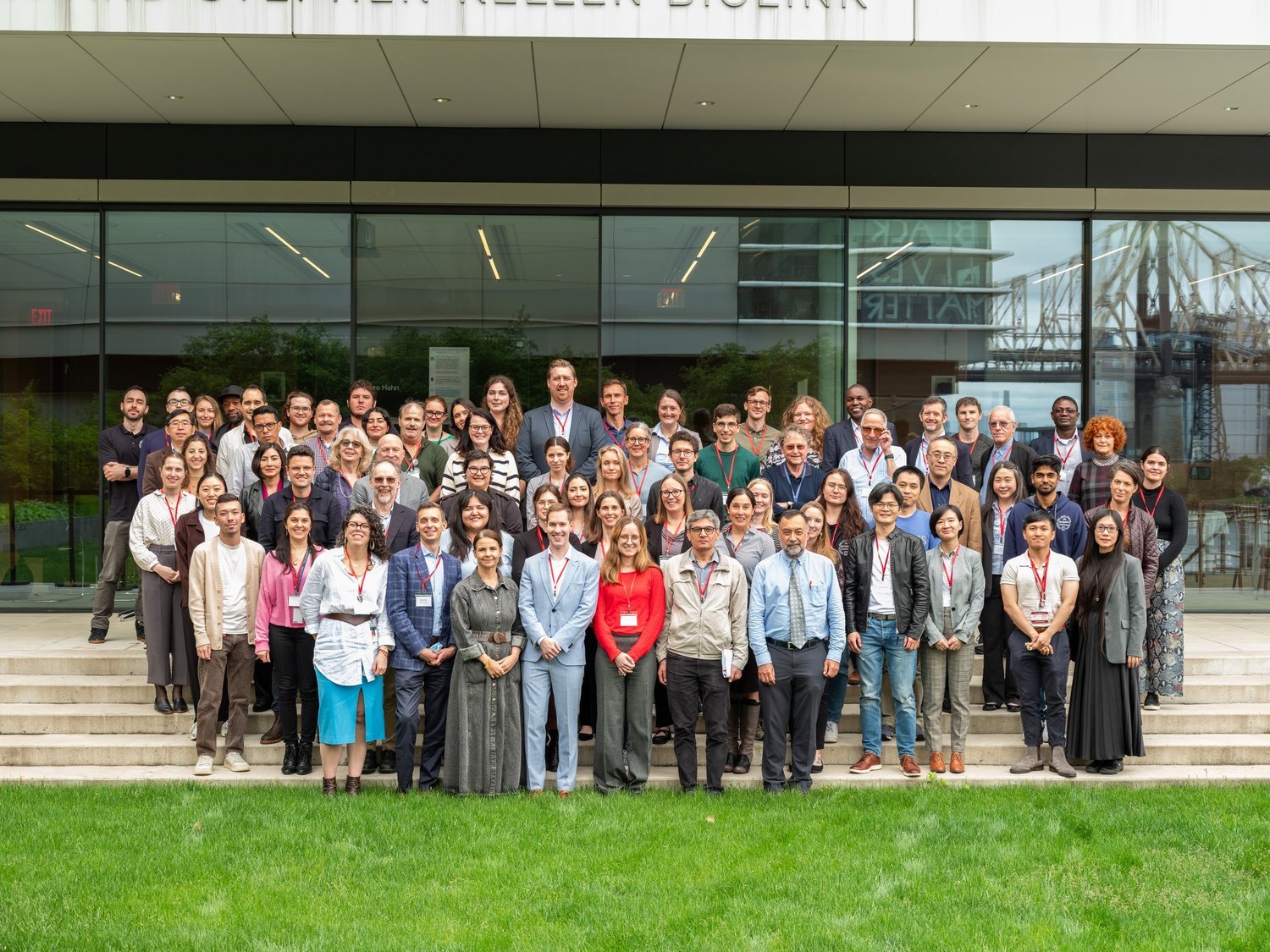
Our next chapter · August 2026
Building on what we have learned.
With continued NIH support, REACH’s next phase began August 25, 2026. We are completing the A5386 analyses, investigating why infected cells survive treatment and immune attack, sharing research resources, and strengthening community engagement.
International scientific exchange
Colleagues in a
shared pursuit.
REACH has been strengthened by scientific exchanges with colleagues across institutions and countries. We gratefully acknowledge the colleagues and teams below for their contributions, and the participants and communities who make progress possible.
- CanadaSimon Fraser University
- Zabrina Brumme · Mark Brockman
- CanadaWestern University
- Jessica Prodger · Art Poon
- CanadaUniversity of Toronto
- Mario Ostrowski
- CanadaMaple Leaf Medical Clinic
- Colin Kovacs
- DenmarkAarhus University
- Ole Søgaard
- GermanyCharité – Universitätsmedizin Berlin
- Christian Gaebler
- GermanyUniversity Hospital Heidelberg
- Frauke Mücksch
- MexicoCentro de Investigación en Enfermedades Infecciosas (CIENI)
- Santiago Ávila-Ríos
- UgandaMakerere University
- Damalie Nakanjako
- UgandaRakai Health Sciences Program
- Ronald Galiwango · Edward Kankaka
- United KingdomUniversity of Oxford
- John Frater
- United KingdomImperial College London
- Sarah Fidler